
Written by Madison Lamb • Published Oct 7, 2025 11:11 AM

Cartoons in Context: Subtle Biases on Nickelodeon
It’s a Monday, the night is coming to an end before the next day of school begins. Prior to our bedtime routine the family sits back to watch The Boss Baby: Back in Business on Nickelodeon — a show my son likes. This episode is about an unruly baby named Scooter Busky that nobody can seem to subdue. There’s a moment where three of the babies are watching him from afar and Staci, the little girl says, “Scooter Busky is a garbage baby,” Tim Templeton responds, “maybe he’s just misunderstood,” referring to Scooter. At that moment, the music drops instantly with a high-pitched stinger, emphasizing Staci’s visible side eye at Tim before she replies with “Oh sorry! I didn’t realize your brother was *whispers* a liberal.’” Boss Baby immediately covers his big brother’s mouth, signaling that a comment potentially exposing his political stance as a liberal is inappropriate.
This exchange illustrates a concerning dynamic: rather than introducing political parties from a neutral stance and allowing young minds to form independent, unbiased opinions an unnecessary judgmental bias is presented, which children can internalize before they are cognitively equipped to critically evaluate such messages. This underscores the importance of parental co-viewing. When my son asked what “liberal” meant because he thought it was something bad, I was provided with an opportunity to pause and explain not only that it’s just a political perspective — but also the definition of “political” — turning what could have been a judgement into a teachable moment.
Engaging with children in real time during media consumption helps prevent the unexamined adoption of biases and promotes critical thinking about fairness, social labels, and political identity, while encouraging them to ask questions.
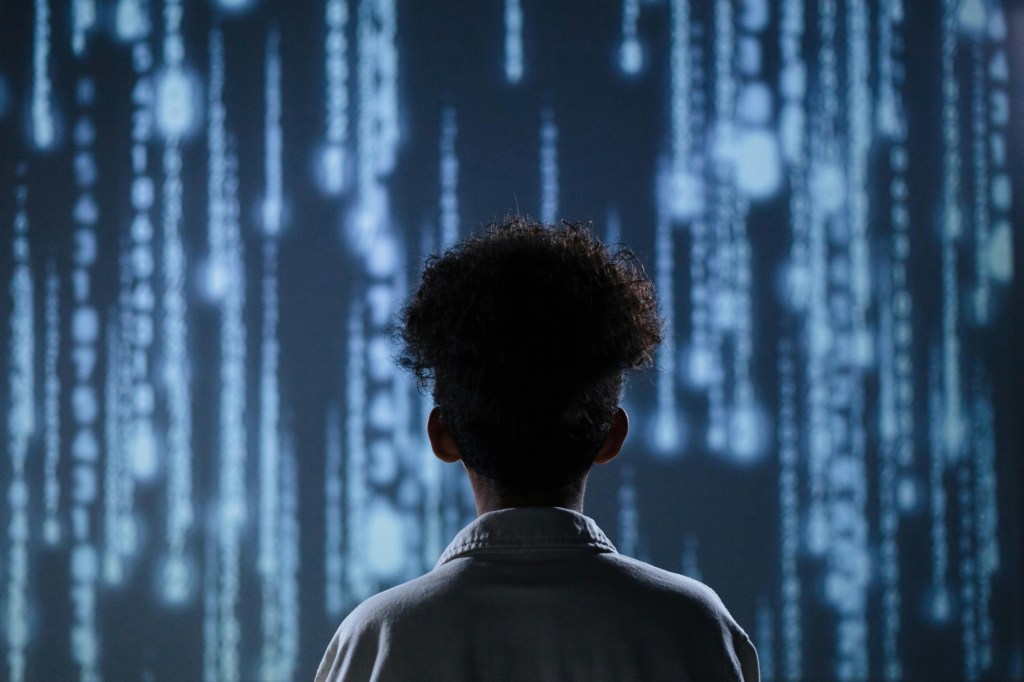
How Cartoons Teach Kids About the World
Cartoons are much more than simple entertainment used to pass the time and temporarily stimulate children — they serve as influential tools through which children learn about social norms, values, and how to interact with one another.
Positive Impacts of Cartoons
It’s important to recognize that cartoons can positively shape children’s development. Components integrated in cartoons today encourage active engagement using ‘ask and wait for answer’ scenarios which are great for improving cognitive and language development. Children are also gradually exposed to diversity, cultural awareness, and tolerance through the introduction of different languages, ethnicities, and family values in movies like Encanto and Coco or cartoons like Mira, The Royal Detective and Doc McStuffins.
Negative Impacts of Cartoons
Although children’s media can play an important role in promoting empathy and understanding, it also holds the power to greatly misinform. The same medium that fosters imagination can, at times, transmit overly simplistic or subjective world views. It’s important to guide children in a neutral way so they can form their own opinions and identity. That doesn’t mean imposing our views, but helping them understand and tolerate different perspectives.
Repeated exposure to characters displaying one-sided perspectives can influence children’s social attitudes, emotional responses, and even how they interact with others. This form of behavioral imitation and aggravation can also come as a result of watching cartoons with exaggerated facial expressions, fast-paced action scenes, or even a hint of hostility — which are all key narrative aspects of many children’s television programs today.

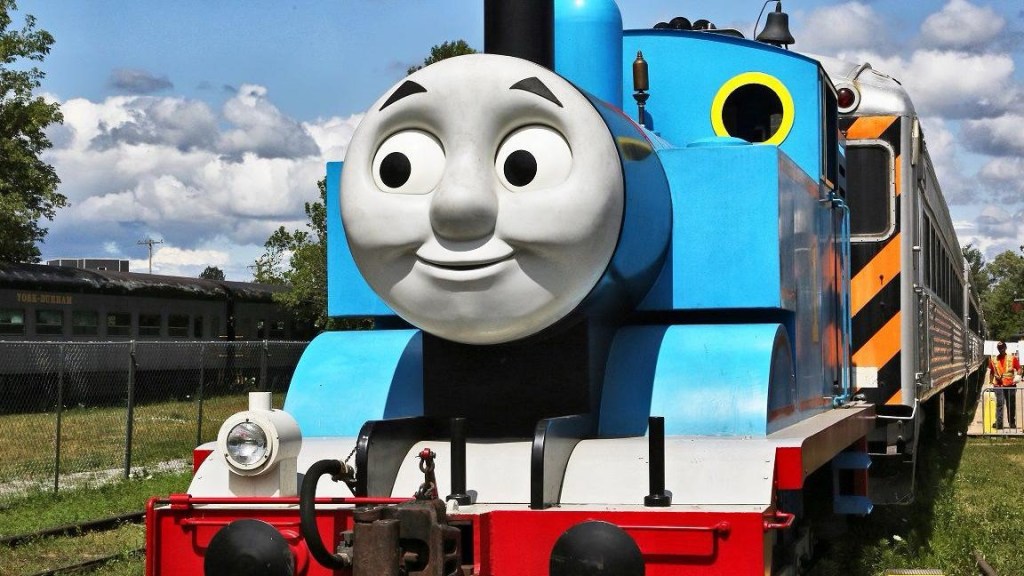
The Subtle Politics in Cartoons
Did you know that our kids notice, evaluate, and attribute things like body language, who “wins” in arguments, and who has access to resources as indicators of social dominance? When we consider this, it’s easy to see how even ‘lighthearted’ cartoons can discreetly model social hierarchies, social norms, and—at times—political ideology that leans too far into judgmental portrayals of others. These subtle cues can blur the line between teaching values and shaping bias, especially when presented through humor or exaggerated character interactions such as Staci’s response to Tim Templeton is The Boss Baby: Back in Business.
As a parent, the first thing we do when putting on a show give it a quick Google search and check its rating—cursing, sex, and violence are obviously a no-go. However, even age-appropriate cartoons can carry subtle messages that juxtapose our efforts to help children develop early social and political reasoning (Bray, 2025; Phys.org, 2009; Valentino et al., 2021).
Children develop proto-political cognition (“proto” = early or first form, “political cognition” = children’s initial development of group-based awareness) at an earlier age than was previously believed. Based on their environment, the information they absorb, and even arbitrary cues, children are able to adapt to group settings, likely setting the foundation of their social and political reasoning. Early sensitivity to group norms is a critical aspect of this development. Kids judge others based on normalized behaviors and preferences, and limited exposure — or biased portrayals of diverse languages, cultures, and ethnicities (whether in cartoons, media, or parental imitation) may negatively impact a child’s tolerance and social awareness.

Examples of Political Messages in Cartoons
Because we can’t monitor everything, even age-appropriate and seemingly neutral shows may introduce implicit social or political cues:
- Character roles and “good vs. bad” portrayals can mirror real-world hierarchies or political ideologies.
- Storylines and dialogue, even brief moments of judgment or preference (e.g., favoring one behavior, group, or perspective), can teach children about social dominance and acceptable norms.
- Humor, music, and timing can emphasize subtle biases, such as mocking or whispering political labels, which children may internalize before developing the cognitive skills to critically evaluate them.
Who Controls Children’s Media
Some parents wonder: does the government control what children watch on TV? The short answer is not really—especially for cable networks. In the United States, cable TV is regulated by a mix of federal oversight and industry self-regulation, but it is less strictly monitored than broadcast TV.
Federal Communications Commission (FCC)
The FCC oversees broadcast TV for indecent or obscene content, particularly for children. Cable networks are mostly exempt, though the FCC still monitors advertising to kids and enforces public safety requirements.
Industry Self-Regulation Networks
Industry self-regulation Networks follow voluntary guidelines, like TV Parental Guidelines (TV-Y, TV-G, TV-PG), and review content internally. This process is largely reactive, addressing concerns after complaints rather than proactively.
Advertisers and Advocacy Groups Organizations
Advertisers and advocacy groups organizations such as Common Sense Media can pressure networks to change programming, but they have no legal authority. Their influence relies on public scrutiny, reputation, and subscriber feedback.
With these factors in mind, the primary media executives and companies—often called the Big 6—ultimately determine what children see, including subtle social or political messages.
The Big 6
These six major players—Disney, Netflix, Sony, Warner Bros., Paramount, and Universal—control a significant portion of children’s programming, from cable cartoons to streaming shows. Their decisions influence not only what stories are told but also the values, social norms, and subtle political messages embedded within those stories. Understanding who holds this control is critical, as it highlights why active co-viewing and discussion are essential for helping children interpret media critically rather than absorbing messages unexamined.
Bob Iger, CEO – The Walt Disney Company
Bob Iger, CEO of The Walt Disney Company has been a transformative figure in Disney, acquiring Pixar, Marvel, and Lucasfilm to expand the company globally. However, former Disney CFO Gary Wilson criticized Iger’s succession planning, claiming he systematically removed potential successors. Another unethical decision to take into consideration is that Iger, the CEO of Disney, was also named in a 2019 lawsuit involving Harvey Weinstein, filed by actress Paz de la Huerta, alleging negligent supervision and intentional infliction of emotional distress while Weinstein operated Miramax, a Disney-owned company at the time.
Beyond individual controversies, Disney has faced criticism for racist and insensitive content in its animated films, such as Dumbo and Song of the South, which demonstrates how subtle messaging—sometimes harmful—can be embedded in children’s programming.
These factors highlight potential ethical considerations that could indirectly influence Disney’s content decisions and the subtle messages children encounter in cartoons.
David Ellison, CEO – Paramount Global (Skydance Media)
David Ellison leads Skydance Media and is known for aggressive expansion, including acquiring exclusive U.S. rights for UFC events. However, notable however is that ethical concerns have been raised about Ellison’s conduct, including accusations of dishonesty by CBS News staff following his acquisition of the company. Additionally, U.S. Senators have investigated potential secret deals during mergers that may have violated anti-bribery laws. Such controversies suggest that the decisions shaping children’s programming may be influenced by opaque business practices.
David Zaslav , CEO – Warner Bros. Discovery
David Zaslav has overseen Warner Bros. Discovery since the merger of Discovery and AT&T’s WarnerMedia in 2022. He has also been implicated in a conflict-of-interest scandal involving a private jet flight of Supreme Court Justice Samuel Alito, highlighting potential ethical lapses. While this scandal is not directly tied to children’s media, it reflects a pattern where executive decisions may be influenced by personal or political considerations, which could trickle down into programming content.
Ted Sarandos, CEO – Netflix
Ted Sarandos has been central to Netflix’s content strategy since 2000, helping the company become a global leader in streaming and diverse programming, including content for children. Sarandos has also faced public scrutiny for defending controversial content, such as Dave Chappelle’s special The Closer, which many deemed transphobic, and he admitted to mishandling internal communication during the controversy. Decisions on content curation at Netflix can subtly influence what children are exposed to, shaping social and political perspectives.
Greg Peters, co-CEO – Netflix
Greg Peters, co-CEO of Netflix since 2017, has been instrumental in expanding the company internationally and overseeing product and marketing strategies. Under his leadership, Netflix has grown its global footprint, diversified content offerings, and introduced new programming strategies that directly impact children’s media. Peters’ decisions influence which shows are prioritized, how content is localized for international audiences, and how children’s programming reflects social norms and values, making his role critical in shaping what young viewers see and absorb.
Andy Jassy, CEO – Amazon Studios
Andy Jassy became Amazon’s CEO in 2021, bringing extensive experience leading Amazon Web Services and guiding the company’s strategic growth. Under his leadership, Amazon Studios has expanded its original content offerings, including programming for children, aiming to provide diverse, engaging, and educational shows. While some decisions under his tenure have faced scrutiny, such as overruling HR recommendations in a discrimination case and making anti-union statements later ruled in violation of labor law, Jassy’s influence on children’s media underscores the importance of executive ethics in shaping values and content that young viewers encounter.
Kenichiro Yoshida, Executive Chairman – Sony Pictures Television
Kenichiro Yoshida has led Sony Corporation since 2018, bringing strong leadership that has helped the company maintain its global reputation for innovation and entertainment and continues to reach audiences worldwide. Nevertheless, critics note that certain decisions, such as spinning off divisions, may have contributed to a perceived decline in market position. While these choices are largely business-focused, they can indirectly influence the types of content and subtle messages children encounter in media, highlighting the importance of executive decisions in shaping the values and social norms portrayed to young viewers.
Positive & Ethical Political Education
Cartoons don’t just entertain—they can also teach kids important lessons about fairness, ethics, and thinking for themselves. Shows like Avatar: The Last Airbender and Sesame Street are great examples of how kids can learn about social and political ideas in a fun, age-appropriate way.
In Avatar, kids see characters dealing with conflicts between nations, facing unfair leaders, and standing up to oppression. Researchers note that the show shows how power works, how communities resist control, and how characters make moral choices without forcing a “right” answer. Kids can learn about fairness, empathy, and the consequences of using power badly—without being told what to think politically.
Sesame Street also helps kids understand fairness and representation. Episodes that show voting or include diverse characters give children early lessons about making decisions, respecting differences, and why fair representation matters. Studies show that kids exposed to this type of media are more likely to vote and support minority and female candidates as adults.
Watching these shows together gives parents a chance to talk with kids about what they see. You might ask, “Why do you think that character made that choice?” or “How would you handle this situation?” This turns screen time into a conversation, helping children notice ethical questions, think critically about fairness, and form their own opinions. Over time, these discussions help children develop independent thinking and a sense of social responsibility.

Risks of Biased Messaging in Cartoons
I remember relating to Dorothy’s innocence and how shocked she appeared when confronted by the Wicked Witch. As a child, I couldn’t watch The Wizard of Oz because those scenes were too frightening. Even though the movie was family-friendly, the exaggerated depiction of “evil” left a lasting impression. While not a political movie, it shows how children absorb moral cues and portrayals of “good versus evil,” subtly shaping their understanding of danger, morality, and social behavior. Repeated exposure to oversimplified or exaggerated characters can influence children’s perceptions of others, their social responses, and how they judge behavior (Fouts, Callan, Piasentin, & Lawson, 2006).
Recent studies have expanded on these findings, highlighting the broader implications of biased messaging in children’s media:
- Aggression and Behavioral Issues: Exposure to violent or aggressive behavior in cartoons has been linked to increased aggression in children. Violent animated movies significantly impacted the aggressive behavior of primary school students, with male students being more affected than females. Additionally, children who watched violent cartoons showed significantly higher levels of aggression and lower social behavior compared to those who watched nonviolent cartoons (Saba, 2023).
- Normalization of Violence: Repeated exposure to cartoon violence can desensitize children to aggression, making them more likely to accept it as a normal response to conflict. Research indicates that exposure to violence makes it more acceptable to kids, with aggression and hostility being prevalent in cartoons and animations (Quest Journals, 2023).
- Link to Political Extremism: While not directly related to cartoons, studies have shown that exposure to biased or extremist content can influence children’s political views. For instance, youth exposure to biased media can contribute to online polarization and radicalization.
These findings highlight the importance of critically evaluating the content children are exposed to and the potential long-term effects on their behavior and worldview.

Watch Together & Speak Up: Shielding Young Minds
Ultimately, the responsibility of guiding children through media consumption falls on parents and caregivers. By actively co-viewing cartoons, asking questions, and encouraging discussion, adults can help children critically evaluate the messages, norms, and values they are exposed to, preventing the unexamined adoption of biased perspectives. Moments of reflection and dialogue teach children that it’s okay to question social hierarchies, political cues, and cultural stereotypes, fostering independent thought. Research also highlights that self-regulation in media consumption and educational programs often occurs in response to public scrutiny rather than proactive ethical standards, meaning subtle biases can easily go unnoticed without parental engagement. By watching together and speaking up, parents provide a vital layer of oversight that helps children develop both critical thinking skills and resilience against internalizing unintended biases.
Hold Networks Accountable!
We have the power to advocate for ethical children’s programming and ensure our kids critically engage with media.
Here’s how:
- Contact Networks and Streaming Services Directly: Report biased content or concerns through official channels:
- File Complaints with Regulatory Agencies: Highlight gaps in self-regulation by submitting concerns to the FCC regarding broadcast content issues.
- Use Public Platforms and Advocacy Groups: Share thoughtful reviews on Common Sense Media or engage with parent advocacy organizations like the Parents Television Council (PTC) to amplify your voice.
How to Cite This Article (APA 7th Edition):
Lamb, M. J. (2025, October 7). Animated agendas: When cartoons get political. High‑Resolution Writing, LLC. https://high‑res‑writing.com/2025/10/07/animated‑agendas‑when‑cartoons‑get‑political/
References:
AP News. (2022, May 10). Federal judge rules Amazon violated labor law with anti-union statements. https://apnews.com/article/amazon-union-lawsuit-labor-andy-jassy-2022 Aslam, Z., & Aqdas, S. (2024). Critical discourse analysis of “The Last Airbender”: A portrayal of cultural genocide in Avatar. International Journal of Linguistics and Literature Studies. https://ijlls.org/index.php/ijlls/article/view/1918
Baragona, J. (2025, September 16). CBS News staffers say new owner David Ellison ‘just can’t be trusted’. The Independent. https://www.independent.co.uk/news/world/americas/cbs-news-david-ellison-bari-weiss-b2827230.html
Bray, M. (2025, March 15). When beloved animated shows get political (and we have to pretend to be smart about it). Animation Anarchy. https://www.mrbray.com/animation-anarchy/2025/3/15/when-beloved-animated-shows-get-political-and-we-have-to-pretend-to-be-smart-about-it
Business Insider. (2024, March 15). Disney succession planning under Bob Iger criticized by former CFO. https://www.businessinsider.com/disney-bob-iger-succession-planning-criticized-2024-3
Children and Screens. (2025). Youth and online polarization and radicalization. Children and Screens: Institute of Digital Media and Child Development. https://www.childrenandscreens.org/learn-explore/research/youth-and-online-polarization-and-radicalization/
Deadline. (2021, October 21). Netflix CEO Ted Sarandos apologizes for mishandling Chappelle controversy. https://deadline.com/2021/10/netflix-ceo-ted-sarandos-apologizes-dave-chappelle-controversy-1234858283/
Dickinson College. (2024, September 30). Colonialism, diaspora, and genocide in Avatar: The Last Airbender. https://blogs.dickinson.edu/403lit/2024/09/30/colonialism-diaspora-and-genocide-in-avatar-the-last-airbender/
Duquennois, C. (2024, March 13). Casting roles, casting votes: Lessons from Sesame Street on media representation and voting. Duke Research Blog. https://researchblog.duke.edu/2024/03/13/casting-roles-casting-votes-lessons-from-sesame-street-on-media-representation-and-voting/
FCC. (2025). File a complaint about broadcast TV. Federal Communications Commission. https://www.fcc.gov/consumers/guides/file-complaint-about-broadcast-tv
Fouts, G., Callan, M., Piasentin, K., & Lawson, A. (2006). Demonizing in children’s television cartoons and Disney animated films. Child Psychiatry and Human Development, 37(1), 15–23. https://doi.org/10.1007/s10578-006-0016-7
Icon Era. (2024). Sony leadership analysis: Market decisions and industry impact. https://www.iconera.com/sony-leadership-analysis-2024
Kerr, W. (2024). Water, earth, fire, air: Banal nationalism and Avatar: The Last Airbender. Sage Journals. https://journals.sagepub.com/doi/full/10.1177/13675494231206385
Liubovich, L. (2021). Anti-imperialism in cartoons: How Avatar: The Last Airbender uses critical pedagogy to teach children about the dangers of imperialism. EdSpace. https://edspace.american.edu/atrium/wp-content/uploads/sites/1901/2022/05/Liubovich_proposal-2021.pdf
NBC News. (2021, December 16). Disney’s racist cartoons won’t just stay in the hidden vault. https://www.nbcnews.com/think/opinion/disney-s-racist-cartoons-won-t-just-stay-hidden-vault-ncna998216
Nikken, P. (2015, February 24). The impact of parental mediation on children’s media use: Co-viewing, active discussion, and restrictive viewing, active discussion, and restrictive mediation. Journal of Children and Media, 9(1), 103-121. https://pmc.ncbi.nlm.nih.gov/articles/PMC4598347/
Poizner, D. (n.d.). Avatar: The Last Airbender as a moral educator. University of Guelph. https://journal.lib.uoguelph.ca/index.php/footnotes/article/view/5240
Quest Journals. (2023). Impact of cartoon violence: Issues of aggressive and antisocial behavior in children. Journal of Research in Humanities and Social Science, 11(2). https://www.questjournals.org/jrhss/papers/vol11-issue2/1102251253.pdf
Rhodes, C. (2025, April 10). Children’s Shows Today: Their Impact on Child Development and Behavior. UAB Institute for Human Rights. https://sites.uab.edu/humanrights/2025/04/10/childrens-shows-today-their-impact-on-child-development-and-behavior/
Saba, P. (2023). Effects of animated movies on the aggression and behavioral performance of primary school students. Journal of Research in Humanities and Social Science. https://pmc.ncbi.nlm.nih.gov/articles/PMC10451846/
The Guardian. (2019, January 8). Harvey Weinstein lawsuit: Actress Paz de la Huerta sues Disney over Miramax supervision. https://www.theguardian.com/film/2019/jan/08/harvey-weinstein-lawsuit-paz-de-la-huerta-disney
The Verge. (2021, June 3). Andy Jassy overruled HR recommendations in discrimination case. https://www.theverge.com/2021/6/3/22464286/andy-jassy-amazon-hr-discrimination-case
Valentino, N. A., Hutchings, V. L., Banks, A. J., & Davis, A. K. (2021). The emergence of early political cognition: How children notice and respond to social cues. Political Psychology, 42(5), 931–949. https://onlinelibrary.wiley.com/doi/10.1111/pops.12853
CREATE. OPTIMIZE. INNOVATE.
High-Resolution Writing, LLC.

Subscribe to stay informed!




Discover more from High-Resolution Writing, LLC.
Subscribe to get the latest posts sent to your email.
